Three Venues, Three Different Nights
Stand in Kabukicho on a Friday evening and the signs blur together — hostess club, girls bar, snack, lounge — each one lit, each one promising something. The distinctions between them are not obvious from the street, but they are real, and they run through every aspect of the experience from the moment you sit down.
The clearest way to understand the differences is through three lenses: how the staff interact with you, what the room feels like, and who is in it.
Each format has evolved to serve a different kind of customer with a different kind of need, and choosing the wrong one for your expectations is one of the more common ways a night out in Tokyo goes sideways.
How the Staff Interact With You

In a hostess club (kyabakura, キャバクラ), the hostess sits beside you. She pours your drinks, faces you, and gives you the full weight of her attention for the duration of your set. The interaction is close, personal, and structured — you are the centre of the room as far as she is concerned. This physical proximity is the defining feature of the kyabakura format, and it is what customers are primarily paying for.

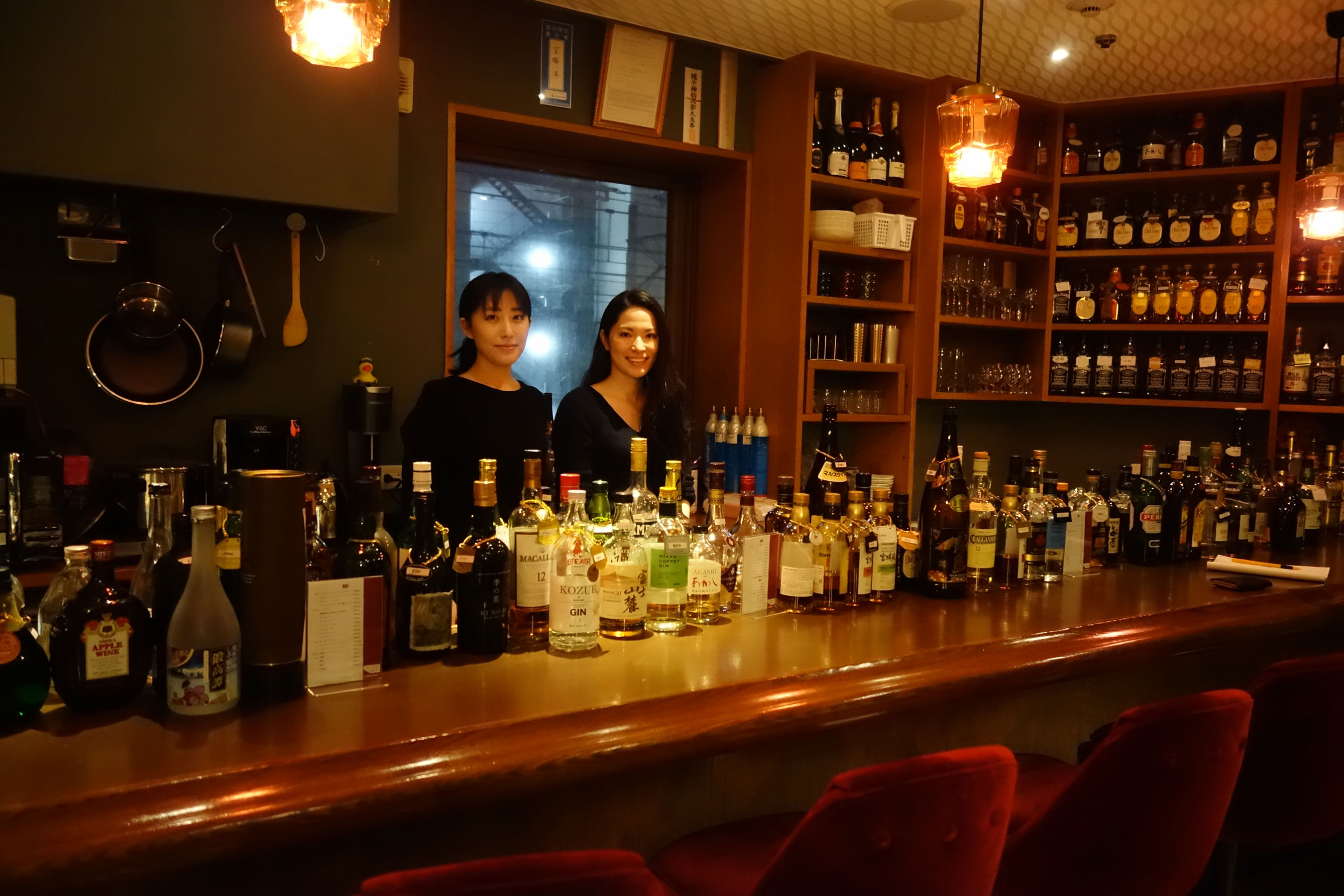
In a girls bar (garuzu bā, ガールズバー), the staff stand behind a counter. The distance is maintained by design — the atmosphere is more casual, the conversation more natural, and the dynamic closer to a well-staffed cocktail bar than a companionship service. You talk to the staff the way you would talk to a good bartender: freely, without the formality of a timed set or the expectation of sustained one-on-one attention.
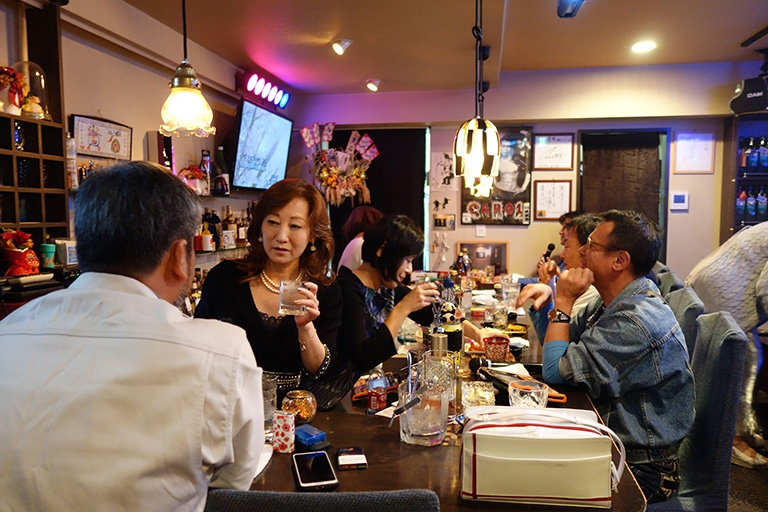
The snack (sunakku, スナック) sits somewhere between the two. Some snacks seat staff beside customers; others operate primarily across a counter. The format is looser and more variable, determined largely by the preferences of the mama (ママ) — the female owner who runs the establishment and sets its tone. What distinguishes the snack from either of the others is that the mama herself is usually present, often pouring drinks and joining conversation, and the regulars tend to know each other. It feels less like a venue and more like someone's very well-organised living room.
The Atmosphere in the Room
Hostess clubs lean toward elegance. The lighting is softer, the seating more formal, the overall environment designed to signal that you are somewhere that takes the experience seriously. There is an implicit dress code even where none is stated. The atmosphere is curated.

Girls bars tend to be casual and energetic — brighter, louder, more spontaneous. The clientele is often younger, the mood lighter, and the evening is less likely to follow the structured rhythm of a set-based session. You can come and go more freely, drink at your own pace, and leave without the sense that you have interrupted something.
Snacks are warm and unhurried. The rooms are usually small — sometimes only a handful of seats — and the coziness is part of the appeal. Regulars sit alongside newcomers, conversations drift across the room, and the mama keeps everything moving. If a hostess club is a performance and a girls bar is a party, a snack is a gathering — and like any gathering, it takes a visit or two before you truly belong to it.
Who Is in the Room
Hostess clubs and girls bars both tend toward younger casts — women in their twenties who bring energy and style to the room. The clientele at a standard hostess club is predominantly male office workers; at the high end, corporate executives and business owners.

Snacks attract a noticeably different demographic. The typical snack customer is male, in his forties or older, and a regular. The staff tend to be women of a similar generation or in their late thirties — mature, conversational, unhurried. The experience is calibrated for people who want to talk, not perform, and who come back to the same place often enough that the mama knows what they drink before they ask.
Snack Pricing: What to Expect
The pricing structure at snacks is simpler than at hostess clubs but still worth understanding before you arrive. The main components are a charge fee — the seating cost — and a set fee that typically bundles the charge, unlimited house drinks, ice, and water into a single all-inclusive amount. Average spend for an evening runs between 10,000 and 20,000 yen, which includes treating the staff to drinks as the evening progresses.
Additional charges apply for bottles ordered individually, drinks bought for cast members, and any food ordered. Snacks do not typically operate a nomination system — you cannot formally request a specific hostess the way you would at a kyabakura — though dohan arrangements exist at some venues if you ask directly and respectfully.
The pricing is more transparent than at hostess clubs, but it is still possible to let the bill climb without noticing — particularly when the room is comfortable and the drinks are flowing.
How to Choose a Snack
The exterior tells you more than you might expect. A venue with a retro aesthetic, older signage, or a name that sounds like it belongs in a different decade is likely run by a mama from an older generation, with staff and regulars to match. A venue with clean, modern design and stylish branding skews younger. Neither is better — they are different evenings.

Official websites and social media increasingly include staff photos, which make it easier to gauge whether the atmosphere suits what you are looking for. Many snacks have developed enough of a concept or identity that the cast reflects it consistently.
One firm rule: any snack that uses street touts to recruit customers is a snack to avoid. Touting is illegal in most Japanese cities and is reliably associated with venues that apply unexpected charges or operate outside normal standards. Reputable snacks do not need someone on the pavement to find their customers — their regulars come back on their own.
What to Know Before You Go In
Snack rules are set by the mama and vary by establishment. What is standard at one venue may not apply at another. If it is your first visit somewhere, it is worth asking about the pricing structure early — not because the charges are typically unreasonable, but because assumptions carried over from a previous snack will sometimes be wrong.
The social dynamic inside a snack carries its own etiquette. Tables are close, the room is small, and other customers are part of the atmosphere. Disruptive behaviour — monopolising the mama, repeatedly bothering other patrons, causing any kind of scene — is taken seriously. Snacks operate on the implicit agreement that everyone in the room is there to have a good time, and maintaining that requires everyone to act accordingly.
Newcomers are generally welcome. The size and intimacy of snacks can make them feel exclusive from the outside, but most are genuinely open to first-time visitors. Come in, introduce yourself to the mama, and let the rhythm of the room carry the evening. That is what regulars did on their first visit too.
Related Articles


You may also like...


International Hostess Bar Since 1993
夢
ORIGIN
・ International Hostess Bar since 1993
・ Japanese Hospitality with International Service
・ Diverse and Charming Floor Ladies
・Located in Shinjuku, Tokyo
・Transparent Pricing
・Easy Online Reservations



.jpg)



-Aug-03-2024-02-44-14-8188-AM.webp)