A Law That Covers More Than You Think
Most visitors to Japan's nightlife assume that regulation, if it exists at all, applies somewhere else — to the seedier end of the entertainment district, not to the bar they are about to walk into. This assumption is usually wrong.
Fueiho (風営法), officially the Adult Entertainment Business Law, covers an enormous range of venues. Hostess bars, host clubs, girl's bars, nightclubs, restaurants that offer specific forms of entertainment, and even game centers operating after a certain hour all fall under its jurisdiction. The character fūzoku (風俗) in the law's name is frequently associated with the sex industry, which leads to a persistent misunderstanding: Fueiho is not a sex industry regulation. It is a framework for any business that combines alcohol, entertainment, and late hours — and in Japan, that category is large.
The law's primary purpose is practical: to ensure that entertainment businesses operate ethically, that customers are protected from illegal practices, and that employees work in conditions that meet minimum safety standards. A hostess bar operating under a valid Fueiho licence has been inspected, registered, and is subject to ongoing compliance requirements. One that is not carries risks for everyone inside.
What the Law Actually Regulates
The three pillars of Fueiho compliance for hostess bars are service boundaries, operating hours, and licensing.
On the question of service, the law draws a clear line. Conversation, drink service, and entertainment — singing, dancing, the performance of attentiveness — are all explicitly permitted. Overly intimate or sexualised interactions are not. This boundary is not merely aspirational: it is the legal distinction that separates a licensed hostess bar from something operating outside the law. A venue that crosses that line is not a hostess bar in the Fueiho sense — it is an unlicensed establishment using the format as cover, and the legal exposure falls on the business, its staff, and potentially its customers.

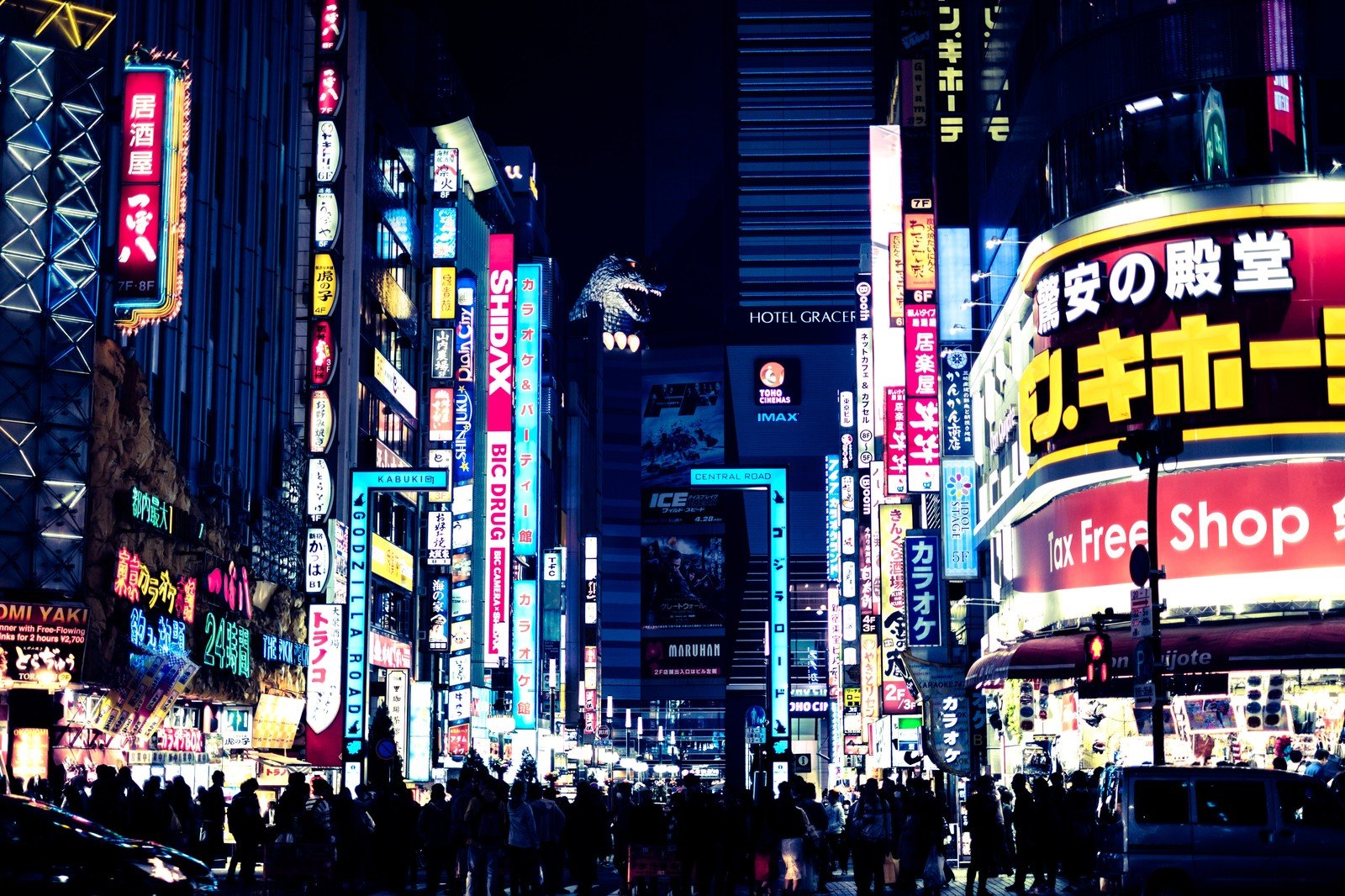
On operating hours, the standard closing time is midnight. Certain designated areas — Shinjuku being the most prominent — are authorised to remain open until 1 a.m. These hours are not suggestions. They exist to reduce late-night disorder, protect staff from the elevated risk that comes with operating in the early hours, and ensure that customers are leaving at times when public transport is still available.
Licensing is the clearest indicator of compliance. Every legitimate hostess bar must hold and display its operating licence, which confirms that the venue has satisfied Fueiho's requirements for registration, inspection, and safety. Operating without that licence is a serious offence — one that can result in the venue's closure, criminal penalties for management, and a record that follows staff long after the establishment shuts.
How to Choose a Venue You Can Trust
The practical question, for anyone planning a visit, is how to tell a compliant establishment from one that is not. A few reliable indicators make this easier than it sounds.
The licence should be visible. A compliant hostess bar will display its Fueiho operating licence within the venue or publish it on its official website. This is not a formality — it is a signal that the establishment has nothing to conceal about its legal status. If you cannot find the licence after a reasonable look, ask. A reputable venue will produce it without hesitation.
Longevity is a useful proxy for reliability. Establishments that have operated for several years in the same location have, by definition, maintained compliance through multiple inspection cycles. Newer venues are not inherently problematic, but they warrant additional scrutiny — particularly if they lack an established reputation or online presence. A well-maintained official website with clear information about services, pricing, and staff is a reasonable baseline to expect from any legitimate operation.
Online reviews, particularly on platforms accessible in English, offer a practical shortcut. Look for consistency: venues with sustained positive feedback across many visits are generally operating within the expected standards. Repeated complaints about billing surprises, pressure tactics, or unclear pricing should be taken seriously.
Perhaps the most reliable negative indicator is street solicitation. Touting — approaching passersby to draw them into a venue — is illegal in most Japanese cities and is consistently associated with establishments that operate at the margins of Fueiho compliance. Any bar that needs someone on the street to find its customers is a bar worth avoiding.
The Age Question
The minimum age to enter a hostess bar in Japan is 18, consistent with the threshold set by Fueiho for adult entertainment venues. This applies to customers, not just staff.
The drinking age, however, is 20. An 18 or 19-year-old can legally enter a licensed hostess bar, engage in conversation, and participate in entertainment activities, but cannot be served alcohol. Non-alcoholic drinks are available, and the social experience remains largely intact — the core of what a hostess bar offers is conversation, not the drink in the glass.
High school students present a separate case. Even an 18-year-old who is still enrolled in high school will often be turned away by reputable venues, regardless of their legal eligibility. This reflects internal policy rather than statutory requirement — most established hostess bars maintain their own age and status guidelines above and beyond what the law requires, both to protect their atmosphere and to avoid the reputational risk that comes with edge cases.
Age verification is at the venue's discretion, but the legal consequences of providing false identification are significant — for the individual presenting it and potentially for the establishment that accepts it. The rule of thumb is simple: if you have to misrepresent yourself to get in, the venue is not the right place to be.
Related Articles

You may also like...


International Hostess Bar Since 1993
夢
ORIGIN
・ International Hostess Bar since 1993
・ Japanese Hospitality with International Service
・ Diverse and Charming Floor Ladies
・Located in Shinjuku, Tokyo
・Transparent Pricing
・Easy Online Reservations