

The First Charge: Set Fee
The set fee is what you pay to walk in. It establishes a timed window — typically fifty to ninety minutes, with sixty minutes being the most common standard — during which a hostess will sit with you, pour your drinks, and give you her attention.
Hostess bars sort themselves into three tiers. Mass-market venues keep set fees accessible and are the natural entry point for first-time visitors. Mid-tier bars cater to well-paid salaried workers and step up in both atmosphere and cast quality. High-end establishments target executives and the affluent, with set fees that can reach multiples of what the mass-market charges.

The set fee is not the bill. It is the starting point from which the bill is built. The house bottle system — botoru kiipu (ボトルキープ) — is included in the set fee for your own consumption: unlimited drinks from a house selection of whiskey, brandy, or shochu. Anything outside that selection appears as a separate line item.
Who You're Sitting With: Nomination Fees
Two nomination fees apply at hostess bars, and the difference matters.
v
The venue nomination (shimei, 指名) is the charge for selecting a specific hostess on arrival rather than being paired at random. This typically runs around 1,000 yen, though some establishments charge up to 4,000 yen — worth confirming before you request.
The designated nomination (hon shimei, 本指名) applies when returning to spend time with a hostess you have visited before. It guarantees her exclusive company for your session and costs more: generally 2,000 to 5,000 yen at standard venues, and considerably higher at the top end of the market. This is the charge that most often surprises returning customers who assumed the first visit's fee structure would apply again.
The Drinks: Yours, Hers, and the Bottle
Your drinks are covered by the house bottle. Hers are not.
Ordering drinks for the hostess is expected and tracked as a separate line. Soft drinks start from around 800 yen, cocktails and wine from 1,000 yen, champagne by the glass from 2,000 yen. Most venues provide a menu with prices listed before you order.

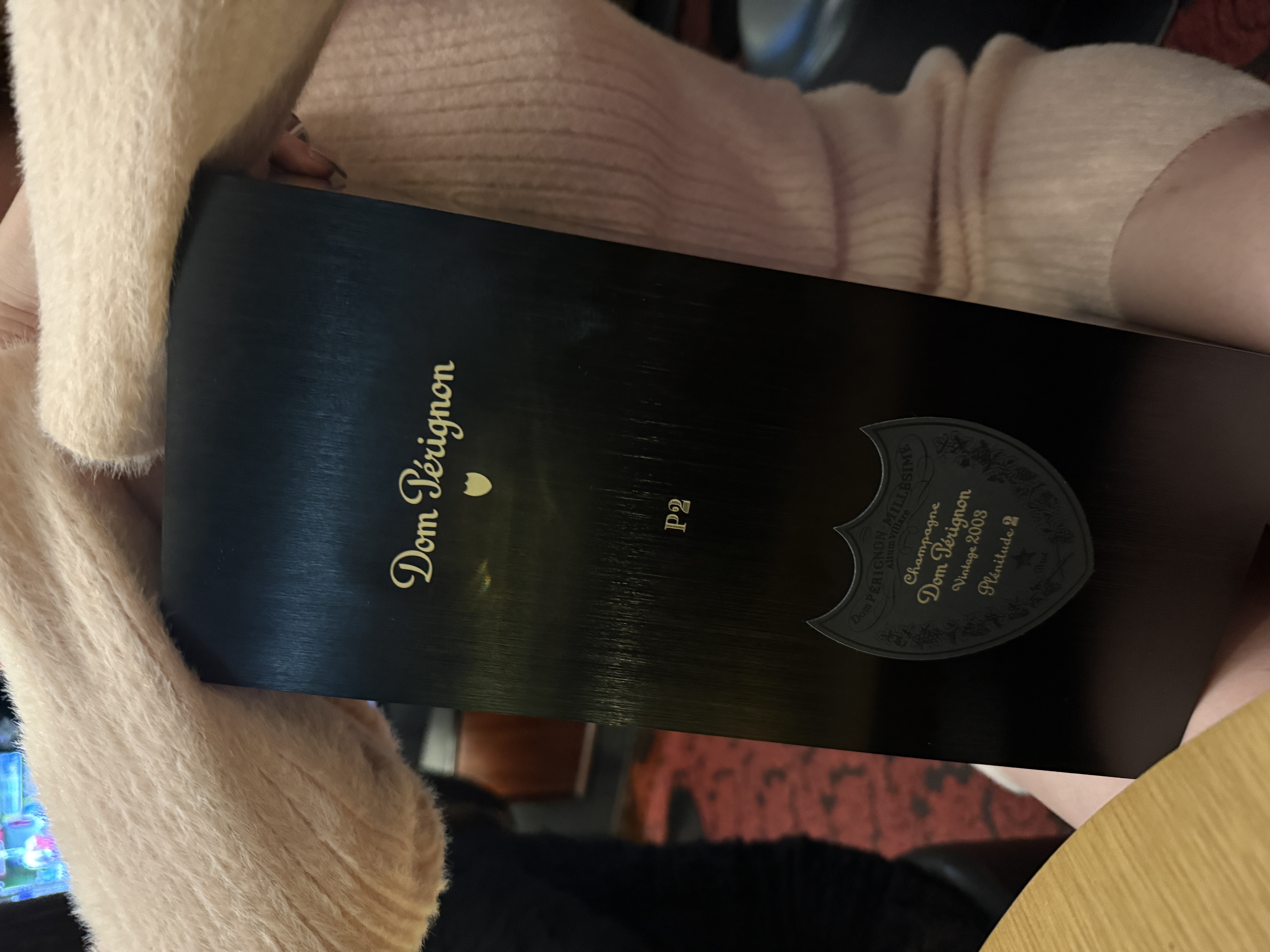
Bottle service operates differently. A full bottle — shochu from around 3,000 yen, whiskey from 7,000 yen, champagne from 10,000 yen — can be more economical for longer visits, since the per-drink cost drops once the bottle is open. Premium champagne at top-tier clubs can reach several hundred thousand yen. If you mix spirits with water or soda, a mixer charge of around 500 to 700 yen may apply on top, though ice is generally included.
Food
Food is available at most hostess bars but is incidental to the experience. Snacks and appetisers start from 1,000 yen, mains from 3,000 yen, desserts from 5,000 yen. The cost-to-quality ratio rarely justifies ordering. Eat before you arrive.

Dohan: The Pre-Bar Dinner
Dohan (同伴) — accompaniment — is an arrangement where a customer takes a hostess to dinner before her shift and arrives at the bar together. The accompanying fee ranges from 1,000 to 5,000 yen. What matters is what it triggers: arriving together automatically activates a designated nomination charge of 3,000 yen or more on top. Any meals, drinks, or gifts during the dinner are additional. A dohan evening is a meaningful financial commitment — enter it knowing the full picture.
The Final Reckoning: Tax, Service, and Payment
Two bill notations determine your final total.

Zeisa (税サ) means tax and service are already included in the listed prices. Sabet (サ別) means they will be added on top — and in Tokyo, that service charge frequently runs at 30%.
The arithmetic adds up quickly. A modest base of 7,000 yen becomes around 8,050 yen in a rural venue with combined charges, and around 9,240 yen in an urban one with charges applied separately. At 40%, a 20,000 yen base becomes 28,000 yen.
Confirm the billing structure and service charge percentage as early in the visit as possible — not because the charges are unreasonable, but because the format assumes you already know how it works.
Related Articles


You may also like...


International Hostess Bar Since 1993
夢
ORIGIN
・ International Hostess Bar since 1993
・ Japanese Hospitality with International Service
・ Diverse and Charming Floor Ladies
・Located in Shinjuku, Tokyo
・Transparent Pricing
・Easy Online Reservations


-Aug-03-2024-02-44-14-8188-AM.webp)


