The Welcome You Were Not Expecting
The door opens, and the woman behind the bar looks up. She takes in your presence with the expression of someone who has just found mould in their lunch. Then she speaks.
"You're late. Typical. Sit down before I change my mind."
You sit. You ordered this. You paid for it.
This is not a maid cafe, where doe-eyed women in frilly aprons call you "Master" and perform cheerful devotion for an hourly rate. This is something closer to its dark mirror — a place where the entire premise is inversion, where the hospitality is hostile, and where the product being sold is the experience of being, without ceremony or apology, told exactly what someone thinks of you.
Japan, the country that invented omotenashi (おもてなし) — the philosophy of selfless, anticipatory, ego-dissolving hospitality — also invented the abuse cafe. The two facts are not unrelated.
What Sekkyō Actually Means
The umbrella term for this genre of experience is sekkyō (説教), which translates literally as "sermon" or "lecture" — the kind a disappointed parent delivers, the kind that makes you stare at the floor and agree with everything even as it stings.
In practice, the category stretches across a spectrum. At its mildest end sit the tsundere (ツンデレ) cafes, named after the anime character archetype who is prickly and cold on the surface but reveals warmth underneath. Staff will snap at you, refuse to take your order seriously, tell you your drink choice is stupid — but the hostility is theatrical, and everyone leaves intact. The pricing reflects the gentleness: entry-level scolding packages start around 800 yen, roughly the price of a convenience store lunch.

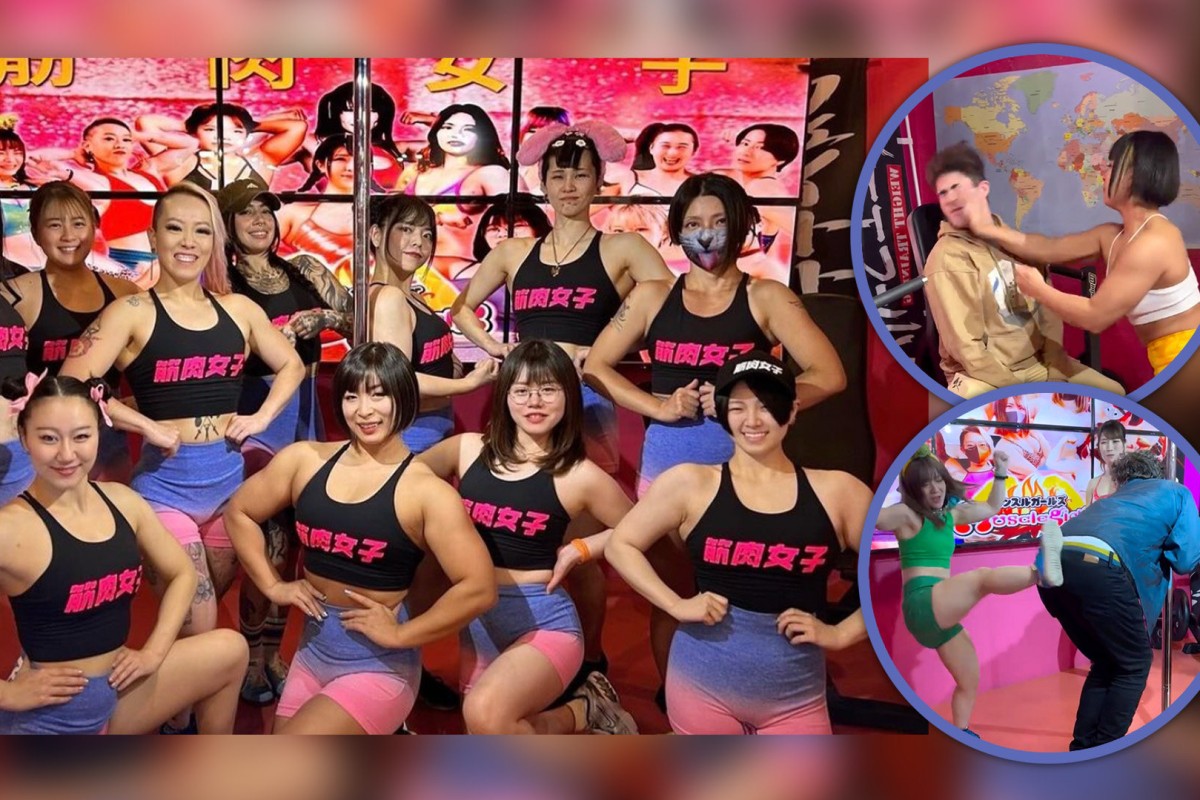
Further along sits the bato cafe (罵倒カフェ) — the abuse cafe, where the insults are real and the food arrives with commentary. The most prominent example appeared as a pop-up in Shibuya in September 2024: Bato Cafe Omokenashi, the name a deliberate corruption of omotenashi, replacing "hospitality" with "abuse." Waitresses in maid uniforms told customers their outfit was embarrassing. One man ordered pork after being called a pig and was informed, calmly, that he would be eating his own kind. The VIP package included being spanked with a slipper and the option to purchase a personalised insulting nickname — 1,100 yen — that the staff would use for the rest of your visit.
At the furthest extreme, beyond the theatrics, sit the actual sekkyō bars — quiet establishments where you pay not to be mocked but to be genuinely lectured. A stern stranger will sit across from you and tell you, with no malice and no mercy, exactly what is wrong with your life choices. You will listen. You will probably agree. You will tip well and come back.
The Country That Built a Cage Called Service
To understand why these places exist, you have to understand what Japanese customer service actually costs — not financially, but psychologically.
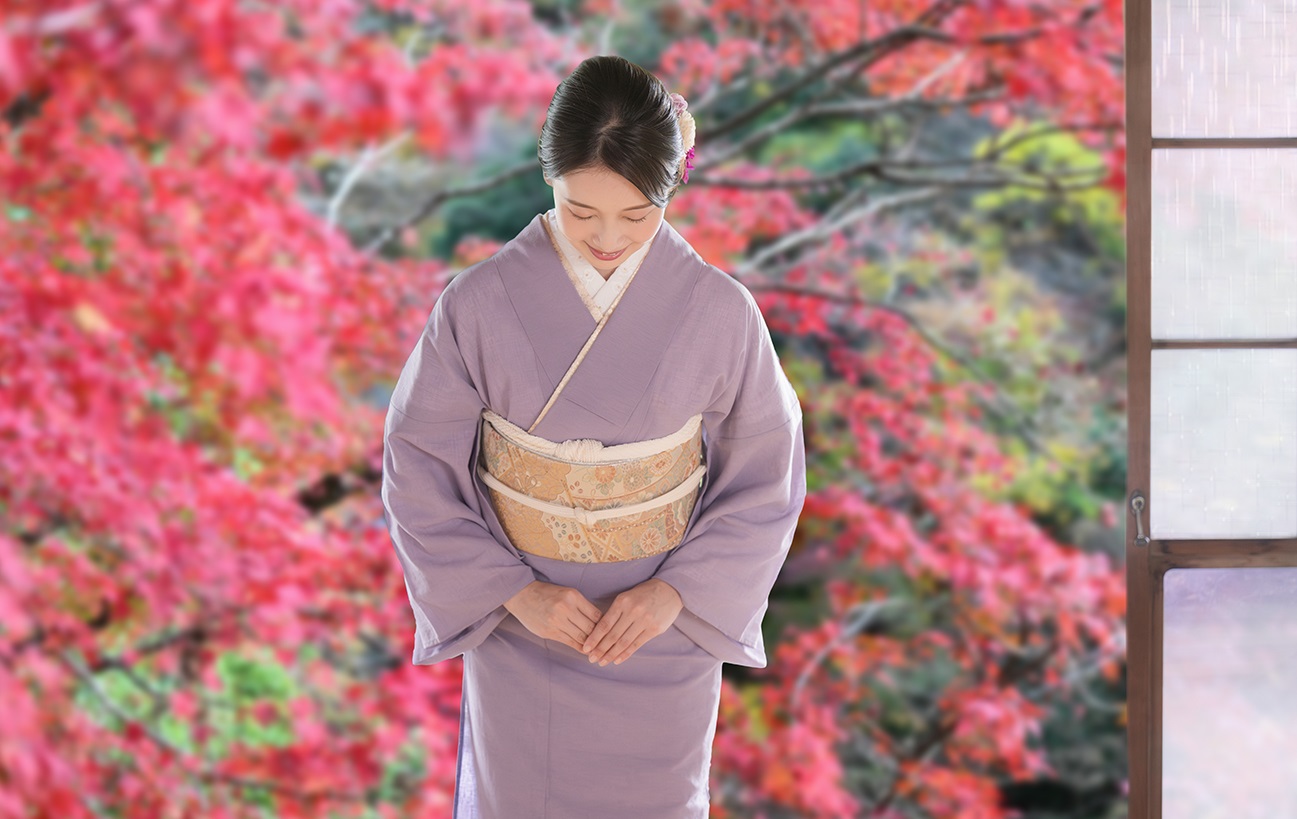
Omotenashi is often described to foreign visitors as Japanese hospitality, but the word carries a specific meaning that the translation misses. It implies service given without expectation of return, without the receiver even needing to ask — service so complete that the customer's needs are anticipated before they form. It is, in practical terms, a performance of selflessness so total that the server's own feelings, preferences, and reactions are not merely suppressed but made irrelevant.
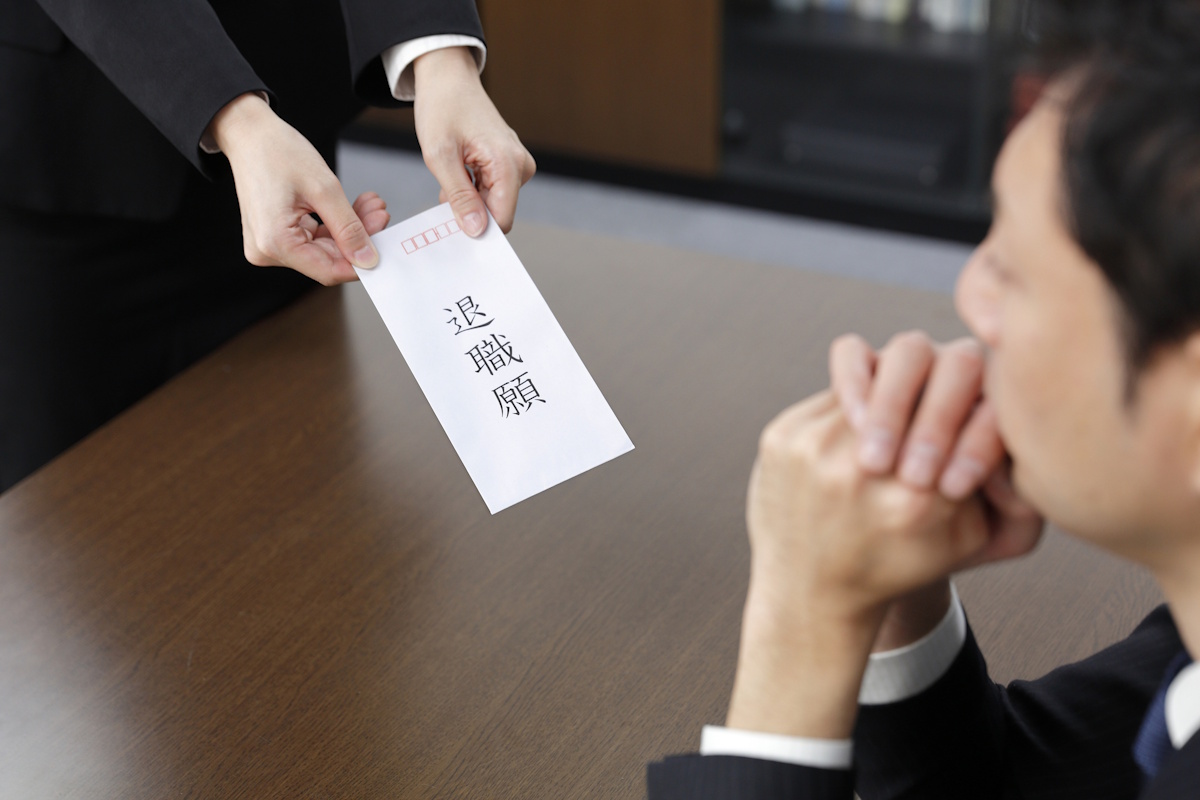
For the businesses that demand it, this is an extraordinary competitive advantage. For the workers who deliver it, shift after shift, year after year, it is something closer to a sustained act of self-erasure. The tatemae (建前) — the public face, the performed version of the self — is on permanent display, while the honne (本音), the true inner feeling, is kept behind closed doors that never quite open.
Japanese customer culture makes this worse. The phrase okyakusama wa kamisama desu (お客様は神様です) — "the customer is God" — is not merely a business philosophy. It functions as a social contract under which almost any behaviour from a paying customer must be absorbed, accommodated, and thanked. The worker who has spent a nine-hour shift bowing to strangers, smiling through complaints they cannot answer, and thanking people for rudeness they cannot acknowledge arrives home carrying something that has nowhere to go.
Japan built a culture of perfect service and forgot to build an exit.
The Numbers Behind the Release
The Bato Cafe Omokenashi ran for ten days in September 2024 and went viral within hours of opening. The venue was created by Nobuyuki Sakuma, a Japanese content creator whose YouTube channel "Nobrock TV" had already built a following on the back of his "Abuse Series" — videos in which women insult guests with cheerful precision. Demand for the pop-up exceeded capacity. The social media response split sharply between horror from international observers and recognition from Japanese viewers who understood immediately what the appeal was.

The tsundere cafe format, less extreme and more established, has been operating in various configurations across Tokyo's entertainment districts for years. A single venue might offer tiered abuse packages, with pricing scaling up as the intensity increases. Some venues offer dedicated "scolding courses" — structured twenty-minute sessions in which a professional scolder, often an older woman with the energy of a disappointed school principal, will review your recent life decisions and tell you, with the authority of someone who has earned the right, exactly where you went wrong.
The customers, surveys consistently find, are predominantly male, predominantly office workers, and predominantly in their thirties and forties — the demographic most thoroughly marinated in tatemae, most accustomed to performing deference, and most starved of anyone who will simply speak to them plainly.
The Staff Who Finally Get to Say It
The most unexpected detail from the Bato Cafe Omokenashi came not from the customers but from the women working there.
They loved it.

Sakuma noted publicly that the cafe was unusually popular with its own staff, because it inverted the terms of their normal working lives. "Service workers usually have to provide attentive service to customers and often face unreasonable demands from aggressive customers," he explained. "But this place is different." At the abuse cafe, the server held the power. The customer had signed up to be the subordinate. The normal architecture of Japanese service culture — in which the worker exists to absorb whatever the customer brings — had been flipped, and the people on the other side of the counter found the experience, in their own accounts, deeply satisfying.
An industry built on paying people to be abused had discovered, almost by accident, that it was also paying them to be free.
What the Scolding Bar Actually Sells
Every culture finds ways to release what its social structures compress. Japan's structure compresses a great deal.
The scolding bar is, at its core, a product that exists because something essential has been priced out of ordinary life. The experience of being spoken to directly — without performance, without the elaborate protocol of tatemae, without the mutual agreement to pretend that everything is fine — is, for a significant portion of the Japanese workforce, something they encounter so rarely that they will pay a stranger to provide it. The abuse cafe customer is not a masochist. He is someone for whom real contact, even hostile contact, feels more honest than the curated warmth he encounters everywhere else.
This is the thing that the international coverage of these venues always misses when it plays the story for comedy: the punchline is not that Japanese people are strange. The punchline is that a society can build its interpersonal architecture so thoroughly around performance and deference that directness itself becomes exotic — rare enough to be a luxury, strange enough to require a cover charge, and valuable enough that people come back.
The door opens. The woman behind the bar looks at you like you're already a disappointment. You feel, for the first time all week, like someone is actually seeing you.
Related Articles


You may also like...



International Hostess Bar Since 1993
夢
ORIGIN
・ International Hostess Bar since 1993
・ Japanese Hospitality with International Service
・ Diverse and Charming Floor Ladies
・Located in Shinjuku, Tokyo
・Transparent Pricing
・Easy Online Reservations